




Description
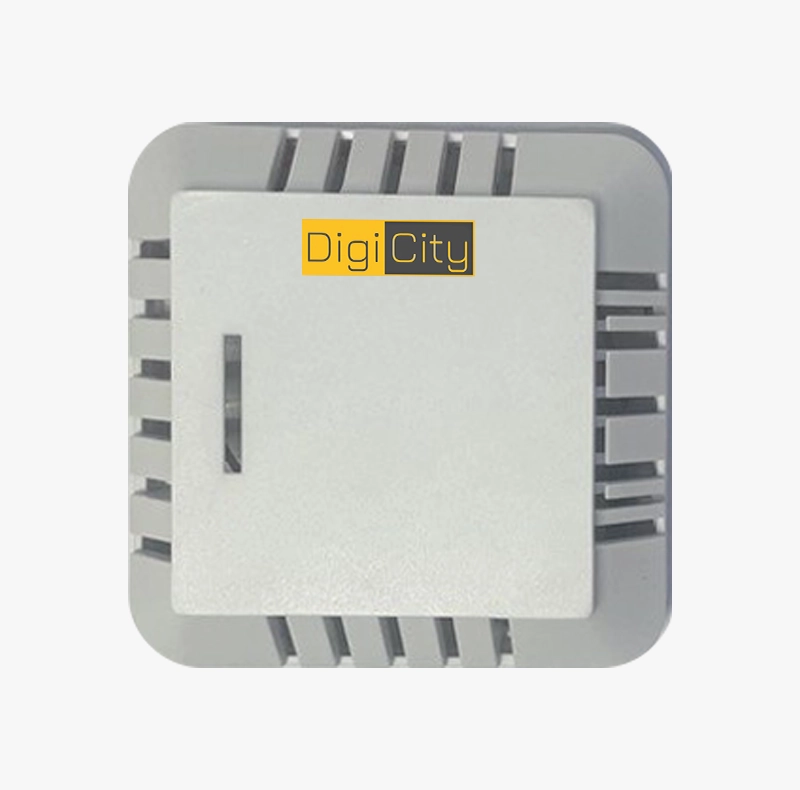
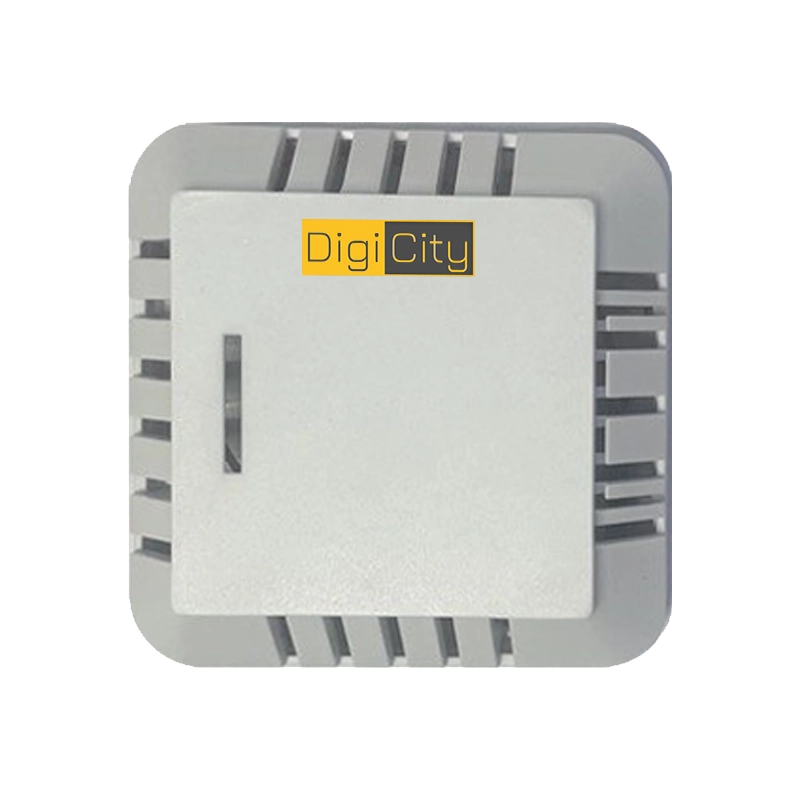
Temperature sensors are devices that measure the temperature of air and other gaseous and liquid media in the range from -70 to +85 °C.
Advantages of temperature sensors:
- Accuracy: Temperature sensors often provide high accuracy because they measure temperature directly.
- Measuring speed: Thermometers can usually measure temperature much faster than traditional thermometers, allowing for real-time monitoring and control.
- Repeatability: Temperature sensors provide consistent readings every time they are used. This can be especially important in industries where precise temperature control is crucial.
- Durability: Many temperature sensors are designed to work in harsh environments, making them durable and long-lasting.
- Versatility: Thermometers come in various forms, allowing them to measure the temperature of liquids, solids, and gases.
Technical specifications
| Operating temperature range, °C | -40…+85 |
|---|---|
| The range of measured temperatures, °C | 55…+100 |
| LoRaWAN® device Class | А |
| Number of LoRaWAN® channels | internal |
| LoRaWAN® antenna type | 3 |
| Default transmitter power | 25 мВт (configurable) |
| Battery type of power supply | 3,6 В |
| Degree of protection of the housing | IP65 |
| Case dimensions, not more than, mm | 90 х 83 х 34 |
| Bracing | on the wall |
| Frequency plans (default) | RU868, EU868, KZ865, arbitrary (based on EU868) |
Features
| A Class A device | |
|---|---|
| The communication period is once every 5, 15, 30 minutes, 1, 6, 12, or 24 hours | |
| The accumulation period is once every 5, 15, 30 minutes, 1, 6, 12, or 24 hours | |
| Support for ADR (Adaptive Data Rate) | |
| OTAA activation method, ABP (customizable) | |
| Measurement of the built-in battery charge | |
| Sensitivity up to -138dBm |